





Optimize Workflows


Growing backlogs, discontented providers, and potential monitoring non-compliance problems are the real challenges faced by healthcare providers who mainly rely on manual workflows.
Healthcare optimization workflow processes require automated and sophisticated systems to simplify the collaboration among several departments, roles, and sites, whether for radiology imaging, care operations, cardiology, etc.

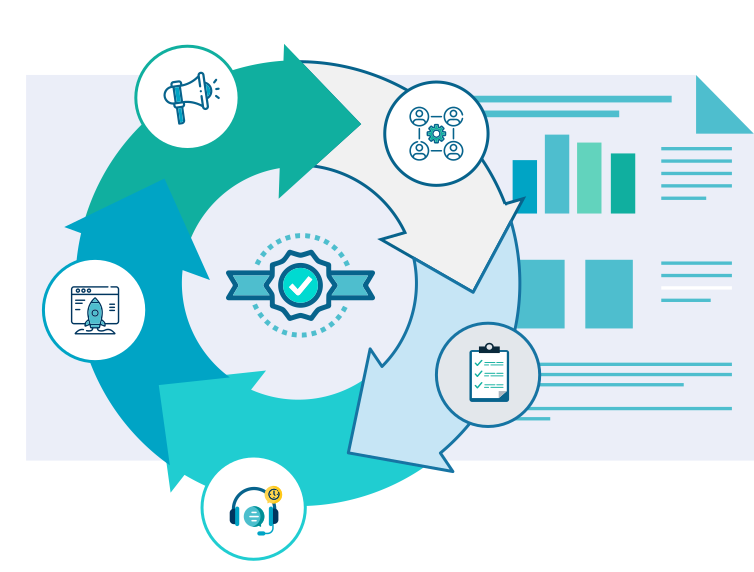
Optimizing the Care Workflow
NANO Health optimized Workflow processing software help to reduce costs, enhance operational efficiency, and upsurge automation by prioritizing and decreasing pending and exemption claims, managing inventory, and requests & grievances tasks.
Nano health provides optimized healthcare workflow solutions to its providers. It helps bring about intelligent and optimized workflow technologies and several other services, ensuring optimum care quality, enhanced departmental efficiency and productivity, and realized maximum assistance from health investments.
Nano Health Claims Workflow aids healthcare organizations to manage claim inventory more professionally by mechanizing the process of prioritizing, triaging, and lessening already pended and exempted claims. The outcome is streamlined claims arbitration management, reduced overall expenses, and enhanced speed efficiency, accuracy, and compliance.


Utilization Management
NANO Health utilization management workflow is designed to assist plans and manage them in utilization management reports and documents inventory.
Nano Health Management Workflow helps healthcare providers prioritize, triage, and decrease the lagging, pended, or referral applications. As a result, improved supervisor and staff productivity reduces costs and increases productivity.
With the optimized solution of Nano Heath, providers can streamline their patient examination workflows by entirely focusing on processes and people.
Nano Health considers the holistic approach for optimizing the equipment usage, defining areas that need upgrading, and producing a customized roadmap for healthcare providers based on the utilization of statistical data and the expertise of application specialists.
Nano Health reduces the undesired variations by standardizing the operational procedures and bringing productivity to the provider's daily routine.

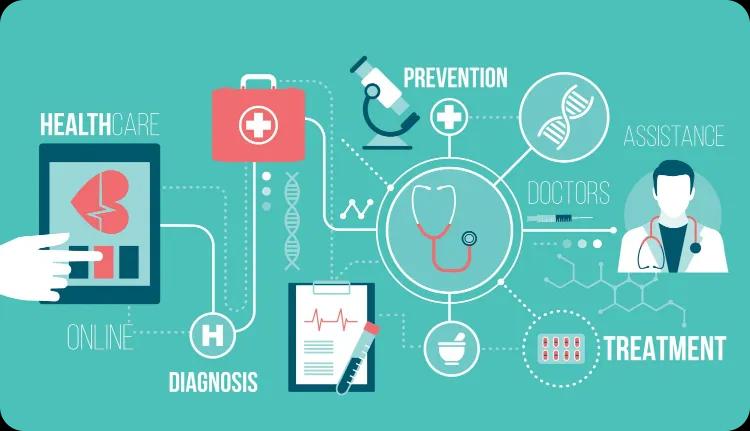
Care Management
NANO Health Appeals and Grievance automates and manages the requests, applications, grievance, and objection process, by electronically directing the occurrences to the right people by using business rules that healthcare providers in their organizations create. This outcome is lower cost and risk involvement, high efficiency and system productivity, and improved customer satisfaction.
Nano Health delivers outcomes that are considered significantly crucial to the patients by enhancing diagnostic accuracy while carrying out the examination.
Nano Health delivers tech-based solutions and consulting services that drive collaboration, productivity, and ideal care quality with the ability to measure the outcomes for ongoing improvement.

Nano Health delivers tech-based solutions and consulting services that drive collaboration, productivity, and ideal care quality with the ability to measure the outcomes for ongoing improvement.
More about this product
How this works with the rest of the suite
- NANO RCM
Pending and exception claims are the clearest backlog in a provider, and the revenue cycle is where they live.
- NANO ECM
Submission is the step most often still handled by hand, and month-end is when that costs a window.
- NANO NEM
An optimised workflow still needs somebody told when an exception stalls — otherwise it becomes a silent backlog.
- NANO CSS
Exceptions are cheaper to prevent than to work, and the scrubber is where prevention happens.
Frequently asked questions
What goes wrong with manual workflows?
- Three things, and they compound. Backlogs grow because nothing prioritises the queue; providers become dissatisfied because they chase rather than treat; and monitoring non-compliance becomes a real risk because nobody can evidence what happened. Those are the symptoms that bring organisations to this problem.
Why is coordination the hard part?
- Because the work inside a department is usually well organised. What is manual is the collaboration between departments, roles and sites — radiology imaging, care operations, cardiology — and that is exactly the part no single department owns or can fix alone.
What does automation actually reduce?
- Pending and exception claims, mainly, by prioritising them and then reducing how many are created. Inventory management and requests and grievances follow the same pattern: a queue that is triaged automatically behaves very differently from one that is worked in arrival order.
Where should we start?
- With the exception queue, because it is where cost and frustration are already visible and where a change produces a number within weeks. Starting with a whole-organisation redesign is how these programmes lose their sponsor before producing anything.
Does this reduce headcount?
- It reduces work, which is not the same claim. Most organisations redeploy rather than cut, because the constraint is usually that clinical and billing staff are spending their time on coordination instead of on the work they were hired for.